
Rolling Deep…Literally
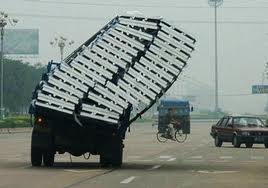
I found this picture on Google+ today. Talking about rolling deep! Check this guy out…

Thinking about purchasing a used car? If so, protect yourself from buying a flood damaged vehicle by doing a little research and by having the vehicle thoroughly checked by a mechanic.
Every year, tens of thousands of cars are damaged by floodwaters and more than half end up back on the road. Damaged cars are often repaired cosmetically and moved to adjacent states or other areas of the country where many are sold to unsuspecting consumers. These floodwaters can cause damage to a vehicle’s computer and electrical systems, as well as potentially causing anti-lock braking and airbag systems to malfunction.
Used Car Buying Tips: Detecting and Avoiding Flood Damaged Vehicles (from CARFAX Vehicle History Reports)
To help you avoid cars with water damage, CARFAX offers these tips:
- Check the trunk, glove compartment, the dashboard and below the seats for signs of water damage such as silt, mud or rust.
- Examine upholstery and carpeting closely; if it doesn’t match the interior or fits loosely, it may have been replaced. Discolored, faded or stained materials could indicate water damage.
- Turn the ignition key and make sure that accessory and warning lights and gauges come on and work properly. Make sure the airbag and ABS lights come on.
- Test lights (interior and exterior), windshield wipers, turn signals, cigarette lighter, radio, heater and air conditioner several times to make sure they work.
- Flex some of the wires beneath the dashboard. Wet wires will become brittle upon drying and may crack.
- Take a deep breath and smell for musty odors from mildew.
- Go to a trusted mechanic for a pre-purchase inspection. Always get vehicles checked BEFORE handing over any money.
- Ask to see a vehicle history report.
Facts: Flood Damage from Hurricanes and Tropical Storms
- Hurricane Floyd (1999) damaged 75,000 vehicles and than half were put back out on the road.
- Tropical Storm Allison (2001) – More than 95,000 vehicles flooded by the most extensive tropical storm in U.S. history.
- Hurricane Ivan (2004) – Left more than 100,000 cars submerged in floodwaters throughout the Southeast.
- Hurricane Katrina, Hurricane Rita and Hurricane Wilma (2005) – claimed more than 600,000 cars across the Gulf Coast. Many of these cars still are showing up for sale around the country.
- Hurricane Ike (2008) – more than 100,000 cars in Texas and Louisiana, from Galveston and Houston over to Baton Rouge, were left underwater.
If all else fails, you can do what the dude above did and you won’t have to worry about flood damage to your car.
–JK
What To Do In the Event of An Insurance Claim
When you deal with an incident that gives rise to an insurance claim, it’s usually a pretty crappy situation. It can be stressful, terrifying, frightening, and alarming in many cases. First things first, try not to panic. Hopefully it’s an incident you carry insurance for to be protected.
Your insurance contract requires that you report all claims promptly. Contact your insurance carrier or broker as possible after a property, liability, worker’s comp or automobile claim. An insurance company claims adjuster will be assigned to handle your claim. You should then be able to deal directly with the adjuster to settle your claim, but your broker can be there with you to assist you along the way.
Here’s step-by-step suggestions on how you should handle property, liability, workers compensation, and auto insurance claims.
Property Claims
In the event of damage to your building or contents:
- Protect the property from further damage:
- Call the proper authorities and utilities (gas, electric, telephone).
- Take photos of the damage before having emergency repairs made, such as boarding up windows or covering holes in the roof.
- Call your insurance broker or carrier to report the loss.
- Call a contractor to estimate the building damages.
- Separate damaged contents from undamaged contents. Do not discard any items until the claims adjuster gives you the authority to do so.
- Keep records of expenses if you are forced to temporarily relocate your business.
- Do not authorize repairs until the claims adjuster has given you the authority to do so.
After the claim is reported to the insurance company, the claims adjuster will:
- Contact you by phone or mail to discuss the loss
- Arrange for an appraiser to inspect extensively damaged property
- Assist you with your choice of contractors to make the repairs
- Contact you for a settlement
Liability Claims
In the event of injuries or damage to property of others which you allegedly caused:
- Call your insurance broker or carrier to report the claim.
- Forward any correspondence, including a summons from an attorney representing the other party.
- Do not discuss the claim with the other party or their attorney. Refer them to your insurance company’s claims adjuster or to us.
After the claim is reported to the insurance company, the claims adjuster will:
- Contact you to discuss the incident that allegedly caused the injury or damage to the property
- Deal directly with the other party and/or attorney to handle the claim
Workers’ Compensation Claims
In the event an employee is injured on the job:
- Complete the Employer’s First Report of Injury or Disease form for all claims. Either use the “call in” reporting system or fax the original form to the insurance company.
- Forward a copy of the First Report to your broker in the event of a disabling injury or death claim. They should follow-up with the insurance company for their prompt handling of the claim.
- Contact the insurance company to question the status of a claim. If you experience delays or have questions, contact your broker for assistance.
After you report the claim to the insurance company, the claims adjuster will:
- Contact the injured employee to discuss the accident
- Request copies of bills and doctors’ reports for medical treatment administered
- Contact you, the employer, if there is any lost time from work as a result of the injury
Auto Insurance Claims
In the event of an automobile accident:
- Report the accident to the police.
- Obtain information about the other people involved in the accident such as:
- Names, addresses and phone numbers
- Insurance company
- Type of vehicle
- Auto and driver’s license numbers.
- Have your vehicle towed to the nearest repair shop if the vehicle is not drivable. Do not authorize repairs until the claims adjuster gives you the authority to do so.
- Call your insurance broker or carrier to report the accident.
In the event of a windshield, vandalism or theft loss:
- Report the vandalism loss or theft to the police.
- Call us to report a loss.
After the claim is reported to the insurance company, the claims adjuster will:
- Contact you to request details of the accident and repair estimates
- Arrange for an appraiser to inspect the damages of vehicles that are not drivable or extensively damaged
- Contact you for a settlement
- Deal directly with the others involved in the accident
You should not talk to others involved in the accident, but refer them to your claims adjuster.
-JK
Source: Zywave, Inc.
Soooo…. I’ll Never Drive Behind A Big Rig Ever Again
Watch this video and you’ll be thinking a lot differently about your commute home tonight!
Most underride guards fail to stop deadly crashes
-JK
Small Business Insurance with The Hartford
Working as a broker, I work with a lot of different carriers on behalf of my clients to place their business insurance. One of the major carriers that I work with is The Hartford, an AM Best A (Excellent) XV ($2B or Greater Financial Size) rated carrier. The Hartford’s a great carrier to work with if you have a small business.
Interested in what they have to offer? Contact me anytime to discuss. Maybe we can find you something competitive backed by great coverage.
Here’s a new video featuring their focus on small businesses insurance.
-JK
10 Good Questions To Ask About Business Auto Insurance
 On any given workday, you may have employees on the road operating a variety of vehicles. Whether you provide company vehicles or your employees use their own vehicles, commercial auto insurance is a must.
Commercial/ business auto insurance provides coverage for cars, trucks and vans used by you or your employees for business purposes. Your business vehicles are not covered by your businessowners policy or personal auto insurance, so you must buy a separate policy.
When shopping for the right coverage for your business, here are ten good questions to ask about business auto insurance:
1. Is coverage mandatory for a business that uses vehicles?
Yes. Just like with personal auto insurance, it’s against the law to drive a vehicle without insurance to cover injuries or damage to others that an employee causes as a result of a car accident.
2. Is Business Auto Insurance better than Personal Insurance?
Business Auto coverage is similar to the coverage you may carry on your personal auto policy; however, business auto exposures can be more complex requiring specialty coverages to be considered based on individual business needs.
3. How do I find out about what’s out there?
The most effective way to compare rates and coverage available to you is through an independent agent or broker. They should be able to point you to the right type of policy based on the type of business you have and how you use your vehicles.
4. What can I do to influence the premium I pay?
The best ways to keep rates down is to make sure that you’re a safe driver, hire and employ safe drivers and use less expensive vehicles for your business.
5. What factors impact the premium I pay for Business Auto Insurance?
Insurance premiums can be affected by everything from the type of business you operate, to the type of vehicles you own; to the radius you operate your business in, and the driving records of yourself and your employees.
6. What is the reputation of the insurance company?
Make sure you do the research before moving forward with a Business Auto policy. Ask your insurance representative or go online to answer questions like — Do they have a long history? Are they reputable? Do they know your business?
7. What extra benefits are added onto the policy without additional cost?
Every insurance company is different. So make sure to ask about extra benefits when shopping around, because they could prove useful when an accident happens and save you money in the long run.
8. Does coverage vary state to state?
It definitely can. Each state has its own rules and regulations that can affect rates and types of coverage that an insurance carrier can make available to your business.
9. Are all my employees covered by my Business Insurance policy?
They should be, but there are exceptions. This is a very important question to ask when you’re shopping around for the best Business Auto policy.
10. How does the claims process work?
The process usually includes reporting an accident to both the police and your insurance company, assessing the damage, and working with a claims handler. When selecting an insurance carrier, be sure to ask about any benefits they offer in the event of an accident, like a network of repair shops where the work is guaranteed as long as the vehicle is leased or owned.
Source: The Hartford
Beware of Driver

Everyone has to start somewhere. I caught this on Catalina Island this past weekend.
Winter Blizzards- Tips For Winter Driving
Take a look at this accident footage from Salem, NH. I feel kind of guilty writing this post from Southern California as virtually everyone east of us is getting hammered with snow, but I guess the cost of living makes up for it sometimes. With that being said, below the video clip are winter driving tips courtesy of Travelers Insurance. There wouldn’t be any legitimacy to these recommendations if they came directly from me. What does a Los Angeles native know about driving in the snow anyways??
Prepare for winter driving before a storm hits
- Have a mechanic check your car’s battery, brakes, fluid levels (antifreeze, windshield washer fluid and oil), as well as the heating and exhaust systems to ensure that your car is in good, safe working condition.
- Try to keep your gas tank full during the winter months. Don’t allow the gas to go below half a tank. Not only will this prevent damage from freezing, you’ll avoid running out of gas if you’re stuck in a traffic jam during the dead of winter.
- Install snow tires or all-weather radials with adequate treads.
- An adequate supply of windshield washing liquid is critical to wash away the mud and melted snow that can severely limit visibility.
- Prepare for an emergency. Keep blankets, flares, a sack of sand for traction, shovel, windshield scraper and brush, tool kit, tow-rope, booster cables and a flashlight with extra batteries in your trunk. You should also stock your car with material for survival, such as waterproof matches to melt snow for drinking water, a first aid kit, dry clothing and a brightly colored cloth (to tie to the antenna).
When driving under adverse winter conditions
- Take care pulling out of streets blocked by mountains of snow. It’s often difficult to see who or what is coming.
- Back your car into the driveway so you have better vision when pulling out.
- Be aware of joggers on the street. Often sidewalks are impassable and die-hard joggers venture onto the street for a clearer path. Unfortunately, they may not see icy spots or other hazards hidden below the slush.
- Don’t turn corners too tightly.
- If your car does not have anti-lock brakes and you start skidding on the ice, try not to slam on your brakes. Gently pump your brakes to maintain better control and prevent your wheels from locking.
- If your car does have anti-lock brakes, slam on your brakes when skidding on the ice. Pumping your brakes prevents the anti-lock system from taking over.
Traveling during a severe storm. Travel only if necessary during a blizzard or severe storm. If you must travel:
- Don’t travel alone. Notify someone of your estimated time of arrival as well as your primary and alternate travel routes.
- If STUCK, stay in the car and wait for help. Run the engine and heater sparingly. Also make sure your exhaust pipe is clear of snow and ventilate your car so that carbon monoxide fumes won’t poison you.
- Keep your energy. Eat food that provides the body with energy for producing its own heat. Replenish your body with fluids to prevent dehydration. Don’t eat snow; it will lower your body temperature. Melt it first.
Source: Travelers Insurance; Insurance Information Institute
–JK
Commercial Auto Fleets – Vehicle Safety Tips
Does your business own a fleet of automobiles? Fleets are generally defined as a group of motor vehicles owned or leased by a business, rather than by an individual or family. Many businesses purchase or lease fleet vehicles to deliver goods to customers, or for sales representatives to travel to see clients, etc.

Overseeing multiple vehicles requires hefty organizational skills and responsibility. Not only do you need to keep tabs on the vehicles themselves, but you need to take into account the employees driving them. When managing your businesses fleet of automobiles, consider three main points:
- Safety
- Maintenance
- Your insurance program
How can you improve fleet safety?
- All fleet insurance programs should start with driver selection and having suitable standards for the drivers hired. As a business, make sure that all the drivers you hire meet your standards. Review your driver list to make sure that you are keeping the very best drivers. Insurance carriers make it a priority to look at the driving records of the people you put on the road.
- Once you hire a new driver, provide adequate training programs, both on and off the road. Make sure your drivers are familiar with their routes and with the customers’ operations so they know where they’re going and what they are supposed to do.
- Once your drivers are on the road, be sure to measure what’s going on. Be aware of when your drivers have violations, accidents or incidents. Technology these days can help you do that. Systems such as on-board recorders can give you details like hard braking, speeding, etc. Some vehicle systems have parameters that will alert you if the driver has gone off-route. These systems alert the dispatcher that your driver has left the route, then you can contact the driver to see what’s going on.
What can be done to improve maintenance?
- Be sure that your vehicles are well-maintained and that you are keeping adequate records to document that maintenance. Train drivers to do inspections. Consider having a checklist that they need to complete before and after every trip to prove that they have done those inspections.
- At the very least, perform the regularly scheduled preventive maintenance, whether you’re using your own mechanics or outside mechanics, and document it all. That way, you can prove what you have and haven’t done if there ever was an issue with that vehicle or an accident. Some businesses resort to technology that will alert them when the vehicle is due for maintenance, and the dispatcher will be notified not to dispatch that vehicle until that maintenance has been completed.
How do you determine what type of insurance coverage you need?
- Concerning your insurance program, be sure your insurance broker has a complete understanding of all details of your fleet and that it is clearly relayed to your insurance carrier because it will affect your premium. Premium is rated according to whatever you’re transporting, your radius of operations, whether you are operating in an urban or rural area, whether you are a short-haul or long-haul.
- Once a loss occurs, stay very involved because in the end, those losses will determine what your insurance premiums are going to be.
It is very important to have an insurance partner who can represent your best interests. Monitoring the claims process is as important as preventing the claim in the first place.
–JK
Do I Need A Commercial Auto Insurance Policy For My Work Vehicle?
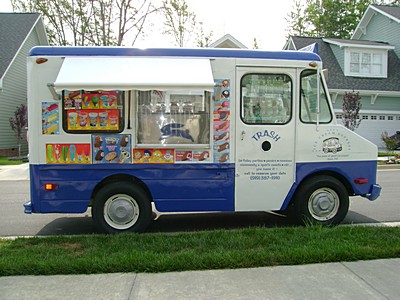 I was asked a question last week about commercial auto insurance for a home based business. “Do I need a commercial auto insurance policy for a delivery van which will be used to deliver my product?” This particular business is a new venture. It’s a baked goods catering business which prepares all product at a third-party commercial kitchen.
It can be confusing trying to determine when a commercial auto insurance policy is necessary, especially for home based businesses. If you’re trying to figure out if you need commercial auto insurance, or if you can just get by with your personal auto insurance policy, here are some scenarios that will hopefully help you decide.
When Might I Need Commercial Auto Insurance?
- If a vehicle is used in tasks related to the operator’s job, profession or business (other than commuting).
- If you are using your vehicle to transport goods or people for a fee or if you use your vehicle to conduct a service
- If you need higher limits of liability because of the nature of your work.
- If you are hauling a considerable weight in tools or equipment or towing a trailer used to conduct your business.
- If employees operate the vehicle or if ownership is in the name of a corporation or partnership.
If you as an individual are the titled owner of your vehicle, and use it for business purposes, contact your insurance agent to discuss your policy. Be certain you’re covered adequately for business use and appropriate estimated annual mileage. Many business uses and vehicle types may be excluded from personal auto insurance policies, so you want to be sure you have the right coverage.
–JK
All Businesses Are Vulnerable to Catastrophic Auto Liability Claims
Last month, on August 9th, a tour bus carrying Japanese sightseers from Las Vegas, NV to a national park in Utah, crashed on Interstate 15 north of Cedar City, Utah. Three were killed in the crash and 11 injured.
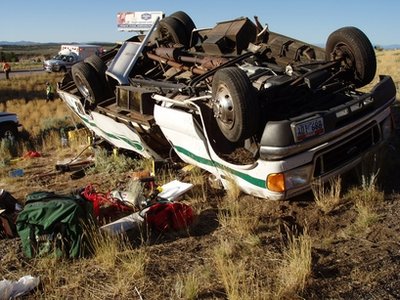
This photo released by the Utah Highway Patrol shows the bus at the scene of a crash north of Cedar City, Utah
The 26 year-old driver of the bus was reported to have smoked marijuana heavily for several days before falling asleep at the wheel of the tour bus when it crashed. He was charged yesterday with 10 felony counts of negligent driving under the influence, and one misdemeanor charge of having marijuana residue in his system.
To date, no charges have been filed against the bus company he was driving for. That company supplied the shuttle bus and driver to other tour operators who organized the trip.
What if this happened to your business?
You might not be in the tour bus industry, but this doesn’t mean an accident of this magnitude can’t happen to your business. Do you own commercial autos titled under your business? Have a commercial auto insurance policy in force? Or, do you simply have employees run errands to the post office, store, or to pick up your lunch? What if your employee was distracted at the wheel and veered off the road killing or injuring others? Are you certain your business is covered for these circumstances? You may want to inquire with your insurance agent NOW to confirm.
Aside from having the proper insurance coverage in force to protect your business from auto liability claims, here are some basic risk management measures you can take as a business owner to help mitigate the situation. Although, following these measures is no guarantee accidents will NOT happen.
If you have additional stories, advice, or recommendations to share, please comment!
–JK
About Me

I grew up in Fullerton, CA and graduated from Servite High School in Anaheim. I have my Bachelors degree from Loyola Marymount University in Los Angeles. I currently live in Tustin, CA.
Please contact me if you need help with any of the following lines of insurance for your business:
-Cyber / Data Breach
-Commercial Property
-Commercial General Liability
-Products Liability
-Workers Compensation
-Commercial Auto
-Umbrella/Excess Liability
-Errors & Omissions/ Professional Liability
-Employment Practices Liability
-Directors & Officers
-Life & Disability Insurance
 Jimmy Kinmartin, CPCU