
Developing and Injury Illness Prevention Program
California Senate Bill 198 requires all employers to establish, implement and maintain a written effective Injury and Illness Prevention Program. This program must include the following elements:
- Identify a person or persons with authority and responsibility for implementing the program.
- A system for ensuring that employees comply with safe and healthy work practices, including recognition of employees who follow safe and healthful practices, training and retraining, and disciplinary actions for unsafe actions.
- A system for communicating with employees on matters relating to occupational safety and health. It should include provisions for meetings, training programs, posting written communications, anonymous notification about hazards without reprisal, and labor/management safety and health committees.
- Procedures for identifying and evaluating workplace hazards, including scheduled periodic inspections to identify unsafe conditions and work practices and a system to correct them.
- Procedures for conducting accident investigations.
- Maintenance of records of safety inspections and safety and health training for each employee. These records must be kept for a minimum of one year.
An Injury and Illness Prevention Program development guideline is available from Cal OSHA which provides more detailed information on the elements of the IIPP which are required (See Links ):
California Code of Regulations, Title 8, Section 3203. Injury and Illness Prevention Program.
Cal-OSHA Guide to Developing your Injury and Illness Prevention Program
Cal-OSHA Injury and Illness Prevention Program Online eTool
If this feels way too overwhelming for you, let me know. Give me a call or send me an email and I can work with you on developing an Injury and Illness Prevention Program for your business.
-JK
Premises Liability – Saloon Doors Episode
Whoops, sorry, kid!
-JK
SUV Crashes Into Client’s Business; Driver Suspected of DUI
Last night, just after 10pm, a driver suspected of DUI crashed into a client’s business. This is a physical therapy office. Video from the scene showed a black SUV completely inside the building after crashing through the building’s exterior wall (see attached pic). Luckily nobody was hurt and we have the insurance carrier handling the claim now. Property loss and Business Income/Interruption coverage in effect until business is up and running again. On the bright side, this all happened during off hours.

Credit: OnScene.TV
-JK
Insurance For Condo Homeowners Association in Harbor City
Effective 8/9, I finalized insurance for this Condo Homeowners Association in Harbor City. This is an 18-unit, 25,850 total square feet dual building property. Coverage’s include Commercial Property insurance for the structures, General Liability, and Director’s & Officer’s Liability to help protect the association board. The expiring policy didn’t include the D&O. I was able to add this coverage and still save premium dollars compared to the renewal terms the association received from the incumbent broker.
 -JK
-JK
Former Worker Sues Employer Over Leering Customer
A former employee of a Safeway store in Oregon has filed a lawsuit against the grocery store chain saying she was forced to quit because a customer repeatedly stared at her breasts and made vulgar comments.
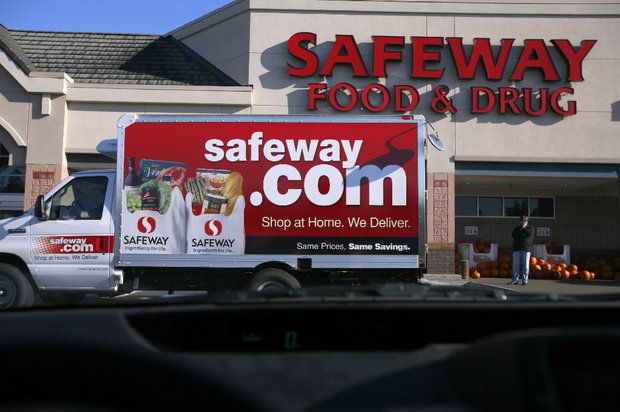
A former Safeway employee is suing the grocery chain, claiming sexual harassment by a customer. (The Oregonain/2006)
The Oregonian reported that 44-year-old Daphne Lannan says in a lawsuit filed last week in Multnomah County Circuit Court that she asked managers at the Lebanon Safeway to stop the customer but they did not.
According to the lawsuit, Lannan says a male customer began to comment about the size of her breasts, saying he wanted to touch them. Lannan’s attorney says the law allows employees to sue their employers for sexual harassment by non-employees.
The Takeaway: As an employer, you would need to have an Employment Practices Liability (EPL) Insurance policy to defend a claim of this sort. This isn’t covered by a workers’ compensation insurance policy or general liability policy. EPL provides protection for an employer against claims made by employees, former employees, or potential employees. It covers discrimination (age, sex, race, disability, etc.), wrongful termination of employment, sexual harassment, and other employment-related allegations.
Additional Tip: To avoid gaps in coverage, make sure Third-Party coverage is offered and included by the carrier on your policy. This covers you if a customer or a third-party sues you for discrimination, etc., not just employees. For more information visit: Third-Party Employment Practices Liability Insurance or contact me with questions.
-JK
For more on the story: OregonLive.com
Insurance For Medical Office Towers In Torrance
Just wrapped up the insurance renewals for these two medical office towers in Torrance. 140,000 Square feet
- Property Insurance
- General Liability Insurance
- Umbrella / Excess Liability Insurance
- Earthquake Insurance
- Workers’ Compensation Insurance

-JK
Earthquake Insurance for Apartment Building in Redondo Beach
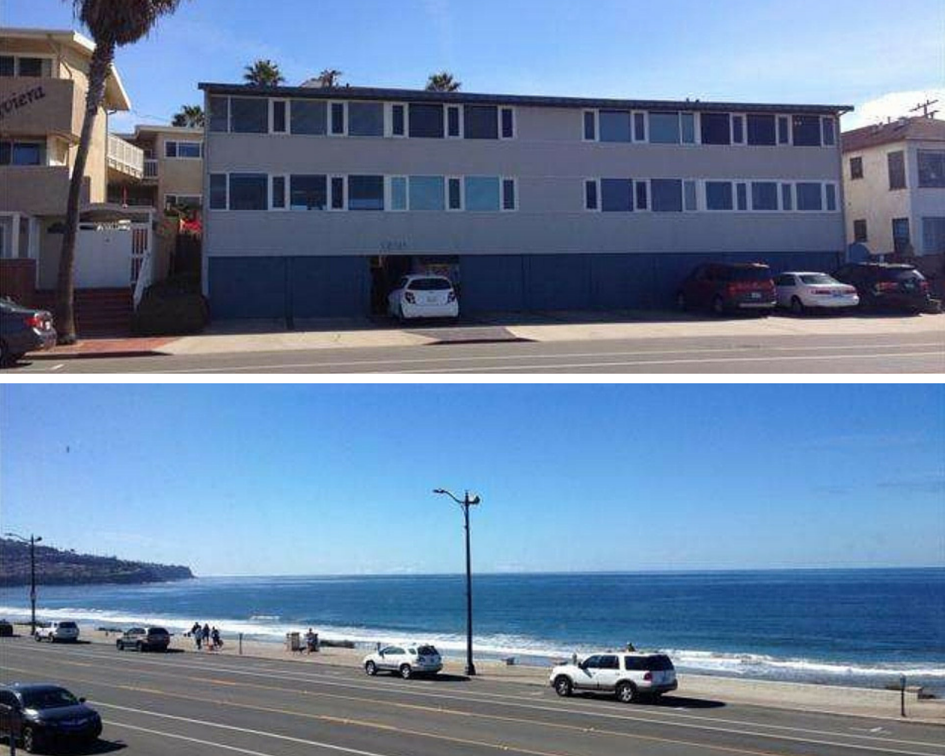
I finalized a new Earthquake Insurance policy for this 6,000 square foot apartment building on the Esplanade in Redondo Beach this week. This complements the fire and liability policy which has already been in place for years. Nice view, huh?
 -JK
-JK
Shared Passion: Working with Independent Agents — Liberty Mutual
Have a business and want to get insurance coverage with Liberty Mutual Insurance? As an independent commercial insurance broker, I have appointments with numerous insurance carriers in both the standard and surplus lines insurance market. One of our primary carriers is Liberty Mutual Insurance Company.
From commercial property to specialty risk to workers compensation, Liberty Mutual Insurance provides products and services to solve your ever-changing business needs.
Here’s a sample of what Liberty Mutual is writing in California:
- Appliances & Accessories-Install, Servicing or Repair- Commercial
- Beverage Stores – Liquor and Wine
- Car Washes – Other Than Self Service
- Carpentry – Interior
- Caterers
- Coffee or Espresso House – no cooking
- Communication Equipment Installation – Industrial Or Commercial
- Concrete Construction
- Consultants
- Contractors
- Convenience Stores w/o Gas (limited grocery – no fresh meats)
- Delicatessens – no frying on premises
- Distributors – Food Or Drink
- Distributors – No Food Or Drink
- Electrical Work – Within Buildings
- Floor Covering Installation – Not Ceramic Tile Or Stone
- Glass Dealers And Glaziers
- Ice Cream or Yogurt Stores
- Importers
- Janitorial Services
- Landscape Gardening
- Meat, Fish, Poultry Or Seafood – Distributors
- Medical Offices
- Office Buildings
- Optometrists Office
- Plastic Or Rubber Goods Mfg. – Other Than Household NOC
- Plumbing – Commercial And Industrial
- Real Estate Property Managed
- Tile/Stone/Marble/Mosaic/Terrazzo Work-Interior Construction
Contact me today about insuring your California business with Liberty Mutual Insurance Company.
-JK
Boy Saves Father From Foul Ball
During Sunday’s baseball game at AT&T Park in San Francisco (7/12/15), a 10-year-old boy saved his dad from taking a foul ball in the side of the head off the bat of Brandon Crawford.
I’m going to drop a little metaphor here. Pretend I am the kid in this video and YOUR company/business is the Dad.
It’s what I do for a living. Save your business from potential disaster 😉
-JK
8 Key Components of a Business Safety Program
A safe work environment does not happen by accident. A company’s management team must be fully engaged in creating, planning, implementing, communicating and making sure safety programs work and are designed to fit the business. Most importantly, employees have to understand their role in making their workplace safer.
Your company’s safety program should incorporate the following 8 key components:
- Demonstrate management involvement – Management must lead by example. A visible demonstration that you embrace a safety culture is imperative to its success. Provide the essential time, budget and resources to create and support a safety program.
- Communicate your safety plan clearly – Your safety plan must be published and available to all employees. Reminders and updates should be timely and effective. Allow employees to contribute their suggestions to making the workplace safer.
- Get everyone involved – A safety program is likely to be more effective when employees at all levels are involved. Standardized policies should outline responsibilities and accountability for all employees. Safety goals can become part of job descriptions and employee reviews. Safety committees can help ensure that safety practices are understood and reinforced throughout the company. Positive reinforcement of safe behaviors can be an effective way to help build the desired culture.
- Train your employees to work safely – Safety training should begin from the moment an employee is hired. Ongoing training is also essential to creating a safety culture.
- Review, revise, improve – A safety program should be dynamic, especially since most business environments continue to evolve. An effective safety program should be flexible enough to adjust to changes. Regularly review, evaluate and identify risks that could affect safety, and make the changes necessary to keep your workplace safe.
- Create safety standards – Each department should set safety standards through a Job Safety Analysis (JSA) to make sure every task is done correctly and safely. Recognize good safety performance, and cite and correct unsafe practices.
- Investigate every incident and accident thoroughly – Properly trained staff with experience in investigation, analysis and evidence collection should conduct an accident analysis as soon as possible after an incident. Report the claim within 24 hours to help ensure prompt response and injury management.
- Manage every injury – Even with the best safety program, an employee injury can still occur. Planning helps you to react immediately when an employee is injured on the job. Learn about five strategies that can help you put employees on the road back to productivity.
Initiating a comprehensive program can seem daunting, but I can help businesses like yours take the necessary steps to begin creating a safety culture. Insurance is only one piece of the puzzle. Effective risk management and loss prevention efforts go a long way to keeping insurance premiums down and other costs of doing business.
-JK
Source: Travelers Insurance
About Me

I grew up in Fullerton, CA and graduated from Servite High School in Anaheim. I have my Bachelors degree from Loyola Marymount University in Los Angeles. I currently live in Tustin, CA.
Please contact me if you need help with any of the following lines of insurance for your business:
-Cyber / Data Breach
-Commercial Property
-Commercial General Liability
-Products Liability
-Workers Compensation
-Commercial Auto
-Umbrella/Excess Liability
-Errors & Omissions/ Professional Liability
-Employment Practices Liability
-Directors & Officers
-Life & Disability Insurance
 Jimmy Kinmartin, CPCU