
What To Do In the Event of An Insurance Claim
When you deal with an incident that gives rise to an insurance claim, it’s usually a pretty crappy situation. It can be stressful, terrifying, frightening, and alarming in many cases. First things first, try not to panic. Hopefully it’s an incident you carry insurance for to be protected.
Your insurance contract requires that you report all claims promptly. Contact your insurance carrier or broker as possible after a property, liability, worker’s comp or automobile claim. An insurance company claims adjuster will be assigned to handle your claim. You should then be able to deal directly with the adjuster to settle your claim, but your broker can be there with you to assist you along the way.
Here’s step-by-step suggestions on how you should handle property, liability, workers compensation, and auto insurance claims.
Property Claims
In the event of damage to your building or contents:
- Protect the property from further damage:
- Call the proper authorities and utilities (gas, electric, telephone).
- Take photos of the damage before having emergency repairs made, such as boarding up windows or covering holes in the roof.
- Call your insurance broker or carrier to report the loss.
- Call a contractor to estimate the building damages.
- Separate damaged contents from undamaged contents. Do not discard any items until the claims adjuster gives you the authority to do so.
- Keep records of expenses if you are forced to temporarily relocate your business.
- Do not authorize repairs until the claims adjuster has given you the authority to do so.
After the claim is reported to the insurance company, the claims adjuster will:
- Contact you by phone or mail to discuss the loss
- Arrange for an appraiser to inspect extensively damaged property
- Assist you with your choice of contractors to make the repairs
- Contact you for a settlement
Liability Claims
In the event of injuries or damage to property of others which you allegedly caused:
- Call your insurance broker or carrier to report the claim.
- Forward any correspondence, including a summons from an attorney representing the other party.
- Do not discuss the claim with the other party or their attorney. Refer them to your insurance company’s claims adjuster or to us.
After the claim is reported to the insurance company, the claims adjuster will:
- Contact you to discuss the incident that allegedly caused the injury or damage to the property
- Deal directly with the other party and/or attorney to handle the claim
Workers’ Compensation Claims
In the event an employee is injured on the job:
- Complete the Employer’s First Report of Injury or Disease form for all claims. Either use the “call in” reporting system or fax the original form to the insurance company.
- Forward a copy of the First Report to your broker in the event of a disabling injury or death claim. They should follow-up with the insurance company for their prompt handling of the claim.
- Contact the insurance company to question the status of a claim. If you experience delays or have questions, contact your broker for assistance.
After you report the claim to the insurance company, the claims adjuster will:
- Contact the injured employee to discuss the accident
- Request copies of bills and doctors’ reports for medical treatment administered
- Contact you, the employer, if there is any lost time from work as a result of the injury
Auto Insurance Claims
In the event of an automobile accident:
- Report the accident to the police.
- Obtain information about the other people involved in the accident such as:
- Names, addresses and phone numbers
- Insurance company
- Type of vehicle
- Auto and driver’s license numbers.
- Have your vehicle towed to the nearest repair shop if the vehicle is not drivable. Do not authorize repairs until the claims adjuster gives you the authority to do so.
- Call your insurance broker or carrier to report the accident.
In the event of a windshield, vandalism or theft loss:
- Report the vandalism loss or theft to the police.
- Call us to report a loss.
After the claim is reported to the insurance company, the claims adjuster will:
- Contact you to request details of the accident and repair estimates
- Arrange for an appraiser to inspect the damages of vehicles that are not drivable or extensively damaged
- Contact you for a settlement
- Deal directly with the others involved in the accident
You should not talk to others involved in the accident, but refer them to your claims adjuster.
-JK
Source: Zywave, Inc.
Video – Car Crashing into House
Stupidity of others is up there on the list of reasons why you should carry home and auto insurance.
You might wonder sometimes why you ever carry home and auto insurance. “It can never happen to me” right?
Perhaps…until this guy comes driving down your block
Need a review of your home, auto, or renters insurance policies?
Call me! I can do that too.
-JK
Insurance Brokers Aren’t Just “Quote Messengers”
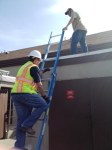
Yesterday I arranged an OSHA compliance assessment for a client of mine who has employees frequently working on rooftops to clean solar panels. This client is concerned about employees falling off the rooftops or ladders and asked for guidance on how to help prevent this from happening. They were very concerned about staying compliant with OSHA regulations too. So, we coordinated a meeting with a safety consultant to perform an OSHA compliance assessment (mock OSHA Audit). Here are a few action shots:


A lot of people have a misconception that insurance brokers are simply “quote messengers” and it drives me crazy. “Oh, I need insurance so I am going to call a handful of brokers, give them a few details, let them plug them into a computer and we’ll take the lowest price provided.” Don’t get me wrong, it’s nice to get multiple opinions and cover all the bases, but insurance brokers can and should provide a lot more value than this. In writing insurance for your business, finding the best policy for your needs is the first step, but what about all the other risks your business is exposed to?
Think about it….loss control and safety, human resources services, claims management, employee handbooks, etc. Who do you call when you need help with this stuff? I hope my clients are calling ME!
I have working relationships with highly trained safety consultants, HR professionals, payroll representatives, bookkeepers, etc. The list goes on. By starting with the basics, you can control those drivers that affect your insurance costs. When it comes to your business insurance, be proactive, not reactive when deciding on the right coverage for your protection.
Trust me, if you try to wing some policy together which you know nothing about, you’re going to pay a lot more than you ever would if you had an insurance partner do it right for you from the beginning. Don’t look for a quote messenger, look for a broker who’s going to be your partner and advocate in protecting your business.
-JK
Preventing Copper Theft
Have you ever noticed how many stories there are in the local news about stolen copper? From construction sites to vacant buildings, theft of copper has become a major problem for many communities throughout the country. Skyrocketing metal prices, especially copper, have made what was once a minor issue into a major problem costing over $1 billion/year according to the US Dept of Energy. Copper is recyclable and does not have any identifying marks making it difficult to determine if the metal is actually stolen property.
From pipes to wires to cables to rain gutters, copper components like these are being torn from walls and buildings. Thieves target copper in vacant buildings or difficult to secure areas including:
- Construction Sites – theft of copper plumbing, wiring, generators and materials.
- Vacant Buildings – theft of copper plumbing, wiring, air conditioners.
- Communications Towers – theft of copper wiring and cables.
- Electrical Sub-stations – theft of copper grounding bars and cables.
- Foreclosed Properties – theft of copper plumbing, wires, sprinkler systems, and cooling systems.
In addition, the collateral damage done from ripping pipes and wires out of walls far exceeds the actual cost of the copper stolen.
Copper Theft Crime Tips
Here are a few tips we recommend to help prevent copper theft:
- If you see something suspicious, say something
- Tour your property – take away the opportunity to steal
- Inventory your equipment and take photographs
- Lock copper materials inside buildings and utilize security cameras whenever possible
-
Remove the exterior of your exterior air conditioning units and spray paint the copper tubing with a fluorescent orange or green paint. Then replace the exterior
Here’s some more useful information on preventing copper theft from Church Mutual Insurance Company
-JK
Source: Long Beach Police Department
Soooo…. I’ll Never Drive Behind A Big Rig Ever Again
Watch this video and you’ll be thinking a lot differently about your commute home tonight!
Most underride guards fail to stop deadly crashes
-JK
Small Business Insurance with The Hartford
Working as a broker, I work with a lot of different carriers on behalf of my clients to place their business insurance. One of the major carriers that I work with is The Hartford, an AM Best A (Excellent) XV ($2B or Greater Financial Size) rated carrier. The Hartford’s a great carrier to work with if you have a small business.
Interested in what they have to offer? Contact me anytime to discuss. Maybe we can find you something competitive backed by great coverage.
Here’s a new video featuring their focus on small businesses insurance.
-JK
Meanwhile, in Connecticut
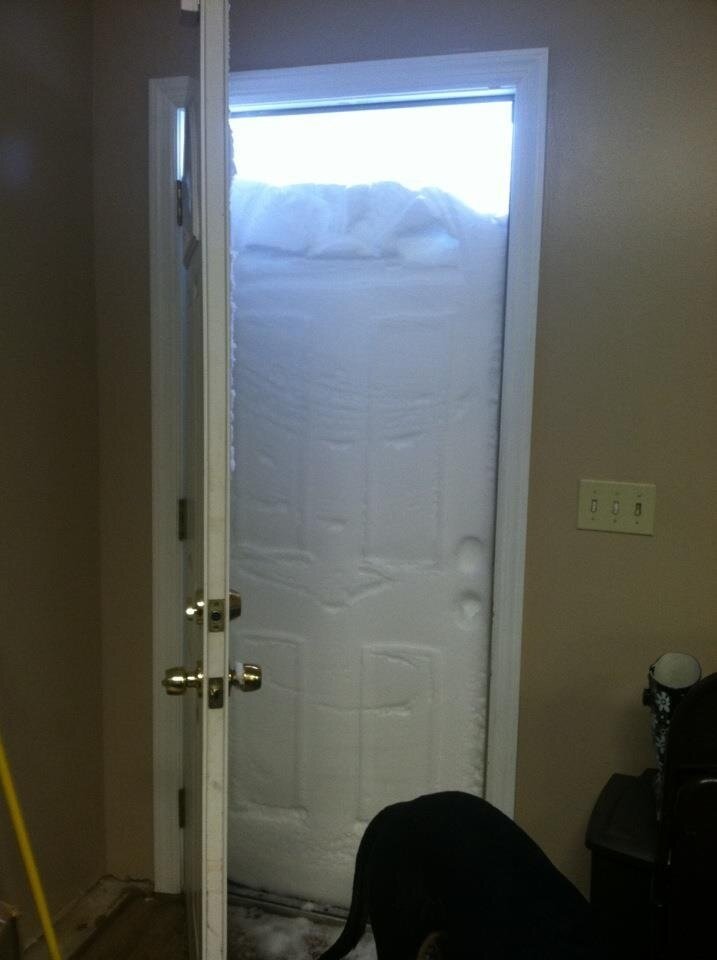
By Southern California standards, it’s a brisk day today with high’s in the 50’s, but imagine if you lived in Trumbull, Connecticut and woke up to this gift left by the Northeast blizzard, Nemo.
-JK
Super Bowl XLVII Tip: How to Eat a Chicken Wing
Today marks the 47th NFL Super Bowl (Roman Numeral XLVII for those who follow). Chances are likely you’re going to be at a Super Bowl party today. Let’s face it, it’s basically a national American holiday. And chances are really likely that you’ll be eating some chicken wings at the party.
Well today I am going to share with you a Super Bowl tip that will probably blow your mind. Honestly, it kind of blew mine. This isn’t just a lesson you can take for Super Bowl game day, this is a lesson you can use for life. Because if you’re an American, you probably eat chicken wings all year round.
Behold, a practical lesson that will change the way you eat wings forever.
-JK
General Liability Insurance: Avoid Winter Slip-Ups
Here’s a general liability insurance claim waiting to happen. Check out this video…..8 minutes of people falling over the same patch of ice. It’s actually pretty entertaining.
The winter months bring general liability insurance hazards that are typically not factors for during warmer weather – especially, slip and fall hazards. With snow and ice-covered conditions, you run the risk of taking major spills.
Consider the following recommendations to prevent slip and fall injuries during the winter months
- Wear the proper footwear that provides traction on snow and ice. Footwear should be made of anti-slip material; avoid plastic and leather-soled shoes or boots.
- Be cautious when entering and exiting vehicles, and use the vehicle for balance and support.
- Try to walk only in designated areas that are safe for foot traffic. If you notice that a walkway is covered in ice, walk on the grass next to the sidewalk, which will have more traction.
- Avoid inclines that are typically difficult to walk up or down as they may be more treacherous in winter conditions.
- Take small steps to maintain your center of balance, walk slowly and never run. When possible, walk with your hands free to maintain your balance. And despite the cold temperatures, avoid putting your hands in your pockets. This will help you better maintain your balance and allow you to break a fall should you slip.
- Use handrails, walls or anything stationary to assist in steadying your feet.
- Look ahead to the path in front of you to avoid hazards.
- Test a potentially slippery area before stepping on it by tapping your foot on the surface first.
- Remove debris, water and ice from all working walkways.
- Steer clear of roof edges, floor openings and other drop-offs to avoid slipping hazards.
- Sand or salt surfaces covered by ice or snow to provide traction.
- Dry your shoes or boots on floor mats when entering a building.
- If you’re at work, report trip and fall hazards immediately to your supervisor.
-JK
Source: Zywave
About Me

I grew up in Fullerton, CA and graduated from Servite High School in Anaheim. I have my Bachelors degree from Loyola Marymount University in Los Angeles. I currently live in Tustin, CA.
Please contact me if you need help with any of the following lines of insurance for your business:
-Cyber / Data Breach
-Commercial Property
-Commercial General Liability
-Products Liability
-Workers Compensation
-Commercial Auto
-Umbrella/Excess Liability
-Errors & Omissions/ Professional Liability
-Employment Practices Liability
-Directors & Officers
-Life & Disability Insurance
 Jimmy Kinmartin, CPCU